Pay More, Get Less: When Rising Home Prices Mean Declining Living Standards
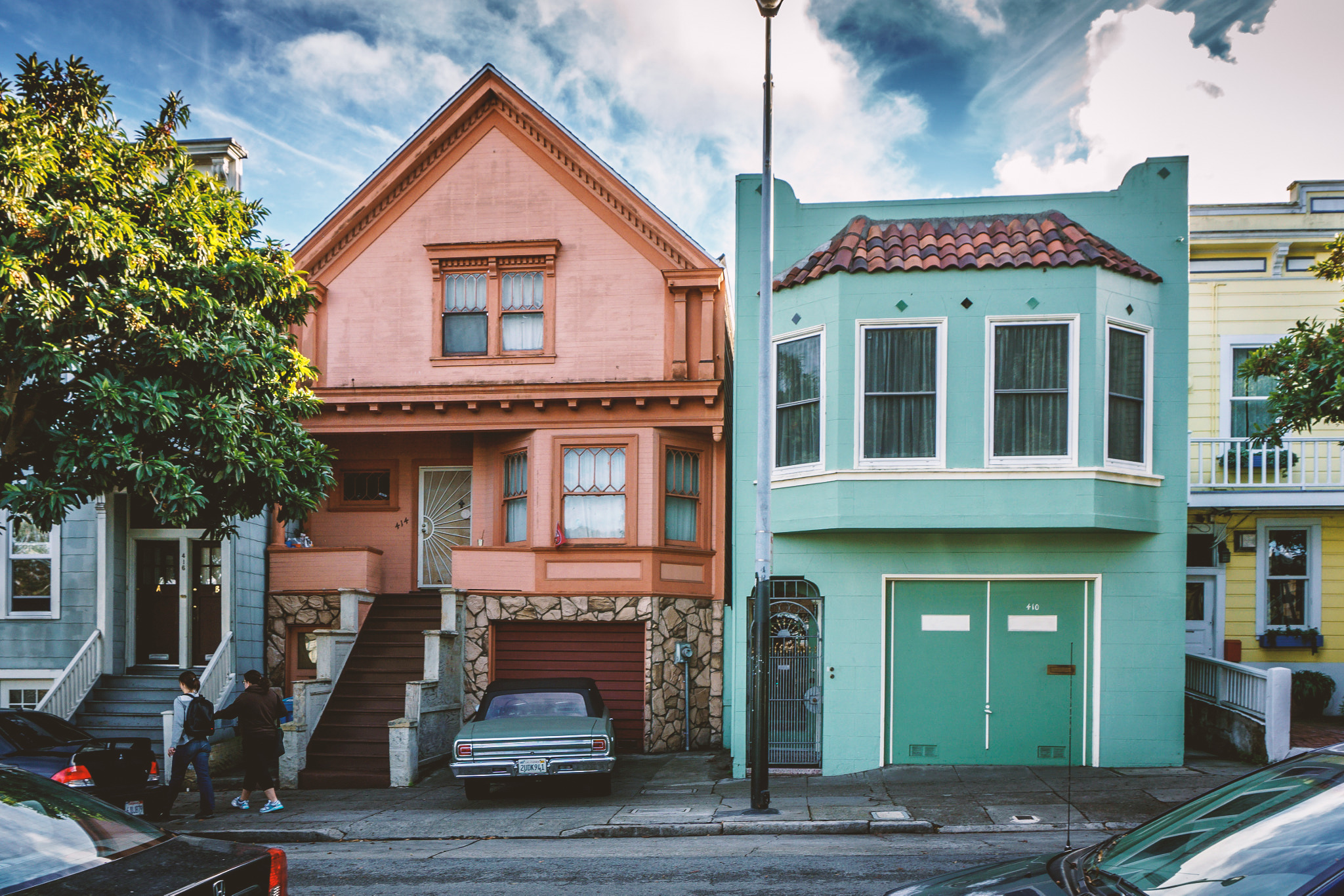
Rising home prices appear to be a boon to many, but the same mechanism that leads to higher property values – severe constraints on home building – reduces real living standards by forcing families to pay more for worse housing than their income historically provided.
In “‘We Are Not as Wealthy as We Thought We Were’: Elevated American Household Net Worth Reflects Poverty, Not Wealth,” Mercatus Center’s Kevin Erdmann analyzed whether rising home values represent genuine wealth creation or just inflated prices from chronic housing shortages.
Key Takeaways:
- We stopped building homes: Before 1980, America built over 2 percent of GDP in new housing annually. After 1980, construction rarely hit that level, and post-2008, it turned negative—homes deteriorated faster than builders replaced them
- The housing ladder is broken: In roughly 38 of 75 major metros studied, homes now “filter up” when resold, new residents have higher incomes than previous residents. Without new construction, all families compete for aging homes, driving up prices
- Scarcity punishes the poor: In LA, homes in the poorest neighborhoods jumped from roughly 4-5 times local income in 1999 to 12-18 times by 2022, while the richest neighborhoods rose from 4-5 to 6-8 times.
Erdmann tracked housing costs across rich and poor neighborhoods using three datasets. Federal Reserve data showed total U.S. housing value jumped from 1.5 times personal income (1975) to 2.4 times (2023). He matched Zillow home prices with IRS income data across 12,000+ ZIP codes (1999-2022) to see where prices rose fastest. He also examined whether homes sell to richer or poorer buyers in 75 metropolitan areas. His method: separate each city’s home values into “base value” (the price in the richest neighborhoods) and “extra value” (the premium paid in poorer neighborhoods). When the extra value rises faster than the base value, scarcity is squeezing the poor rather than improved housing quality.
- Fewer homes, higher rents. Before 1980, America built more than 2 percent of GDP-worth of new homes annually. After 1980, it declined below 2 percent. And after the Great Recession, construction turned negative. The housing stock actually shrank as old homes depreciated faster than builders replaced them. The result: rents rose faster than other prices from 1981 onward, and Americans now consume 20 percent less housing than their incomes should provide, whether smaller, older, or lower quality
- Rich compete for older homes. In a healthy market, homes ‘filter down’ at a rate of roughly 0.7 percent annually; this means that after 10 years, the new buyer’s income is typically 7 percent lower than the original seller’s. In constrained metros, this flips to ‘upward filtering’ at a rate of 0.25 percent annually, meaning the home is actually becoming less accessible to lower-income families over time.
- Poor neighborhoods hit hardest: In 1999, LA home prices in most ZIP codes were not strongly associated with income. By 2022, price-to-income ratios in ZIP codes with average incomes below $50,000 were routinely in the teens. From 2015-2022, these rising rents reduced real income growth for families in the poorest neighborhoods by 15 percent relative to those in the richest neighborhoods. Facing these costs, poor families faced an impossible choice: pay unaffordable rents or leave. Nearly 1.2 million people left LA between 2011 and 2020.
The research has a few implications: First, federal regulators should address the collapse in mortgage access. Before 2008, two-thirds of Fannie Mae’s business served borrowers with credit scores below 740; today, that group has been slashed to just one-third, locking millions of potential buyers into an inflated rental market. Second, cities should permit enough new housing to return net residential investment to 2 percent of GDP—the pre-1980 level that kept prices stable. Third, cities should measure the severity of the housing shortage by tracking whether poor neighborhoods pay higher price-to-income ratios than rich neighborhoods.
High home values don’t signal prosperity. They signal housing scarcity. Building more homes would lower prices relative to incomes, giving families more to spend on their lives.