Can Upzoning Lead to More Homes? The Data Says Yes.
More and more cities and states have concluded that a key way to lower housing costs is to loosen rules, such as upzoning that lets developers build taller, denser buildings, and that construction will follow. A new Urban Institute study tests that assumption in New York City and Philadelphia, and finds that upzoning does work.
In “How Big Upzonings Affect Housing Supply,” Urban Institute researchers Yipeng Su, Will Curran-Groome, and Yonah Freemark study seven New York City rezonings and Philadelphia’s 2012 zoning rewrite to see whether loosened zoning rules turn into homes. Their answer supports the core case for upzoning, with an important asterisk: it works, but it is not always sufficient on its own to boost housing.
Key Takeaways:
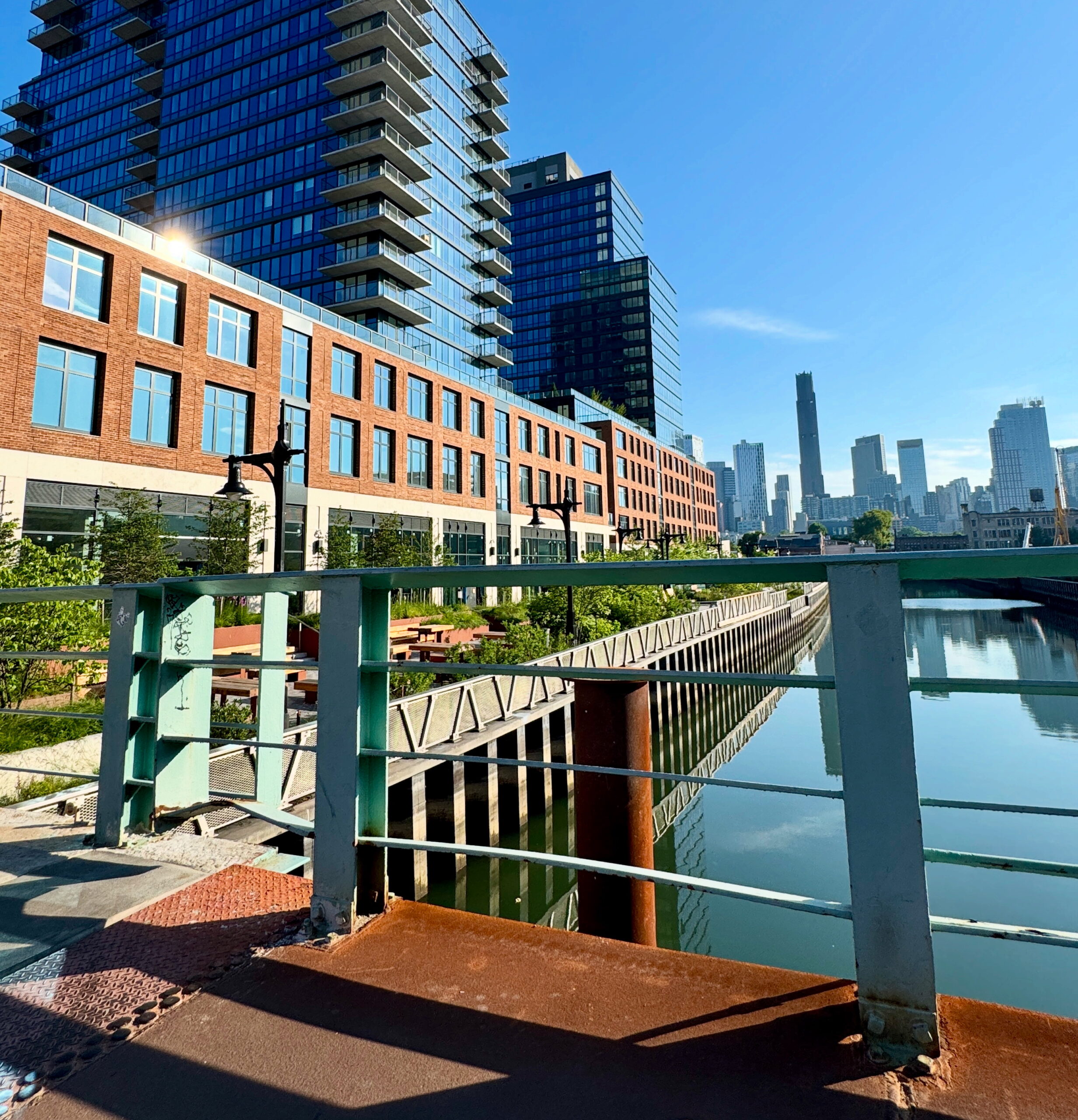
- Demand Meets Supply. A once-industrial Brooklyn neighborhood, Gowanus, saw an estimated 5,400 additional homes built within four years of its 2021 rezoning, the largest jump of any neighborhood studied. In a hot market, removing the zoning ceiling lets buildings go up fast.
- Bigger Buildings, More Homes. Philadelphia’s 2012 zoning overhaul allowed each project to hold more homes, and an expiring tax break added urgency, fueling a 2019–2021 boom, with up to 4,000 more housing units permitted citywide in 2021 alone.
- Upzoning Is Not Always Enough. Bronx’s 2018 Jerome Avenue rezoning brought no meaningful housing gains, and much of North, Northeast, and Southwest Philadelphia remained quiet despite new capacity. Zoning clears the legal path, but it can’t create demand or offset other costs on its own.
Researchers isolated the effect of upzoning using propensity score matching: a statistical technique that pairs each upzoned property with a similar non-upzoned property based on shared characteristics. They then tracked both groups’ housing numbers year by year to see whether construction actually followed the rezoning, or would have happened anyway. New York’s data covers 4,244 upzoned properties, drawn from city tax records from 2010 to 2023, capturing homes that were actually completed. Philadelphia lacks that data, so researchers instead tracked 24,056 upzoned block faces — property clusters along a single street — using permits filed from 2005 to 2024. That’s a meaningful limitation, since a permit shows intent, not what was actually built.
Here’s what they found:
- Why Gowanus outpaced every other rezoned neighborhood Gowanus gained roughly 15 more homes per property within four years of its 2021 rezoning, more than any other neighborhood studied, driven by already-high, fast-rising rents and a canal cleanup that opened previously industrial land to housing.
- How a citywide rewrite changed project size By 2021, Philadelphia’s upzoned block faces attracted about 0.17 more homes per year in permit applications than non-upzoned ones, adding up to roughly 4,000 extra housing units permitted citywide that year, even though the number of separate projects filed barely moved. That’s because the rewrite allowed a single lot to legally hold more homes, so developers built bigger where they were already building rather than opening entirely new sites.
- Why zoning alone isn’t always sufficient Jerome Avenue’s housing numbers trended slightly negative, though not statistically significant, four years after its 2018 rezoning, likely because rents there rose more slowly beforehand than in any other rezoned neighborhood. Much of outer Philadelphia saw similarly quiet permitting despite also gaining new zoning capacity, suggesting that project rents in the area aren’t large enough to cover building costs.
Cities get the most from upzoning by proactively rezoning ahead of demand, rather than waiting for developers to request changes on a parcel-by-parcel basis. Other conditions still shape whether new supply follows, so before upzoning a weak market, planners should confirm zoning is actually the constraint — loosening a rule that isn’t binding won’t spur housing on its own. And because effects take time to appear, cities should pair rezonings with other tools, like rental assistance.
None of these promises that every upzoned neighborhood becomes the next Gowanus, since the study covers only two cities. But it confirms upzoning does exactly what it’s designed to do: turn legal permission into housing wherever demand already exists.
Photo by JohnOwensCT via Wikimedia Commons
