California’s Rules for Starter Homes are a Fixer-Upper
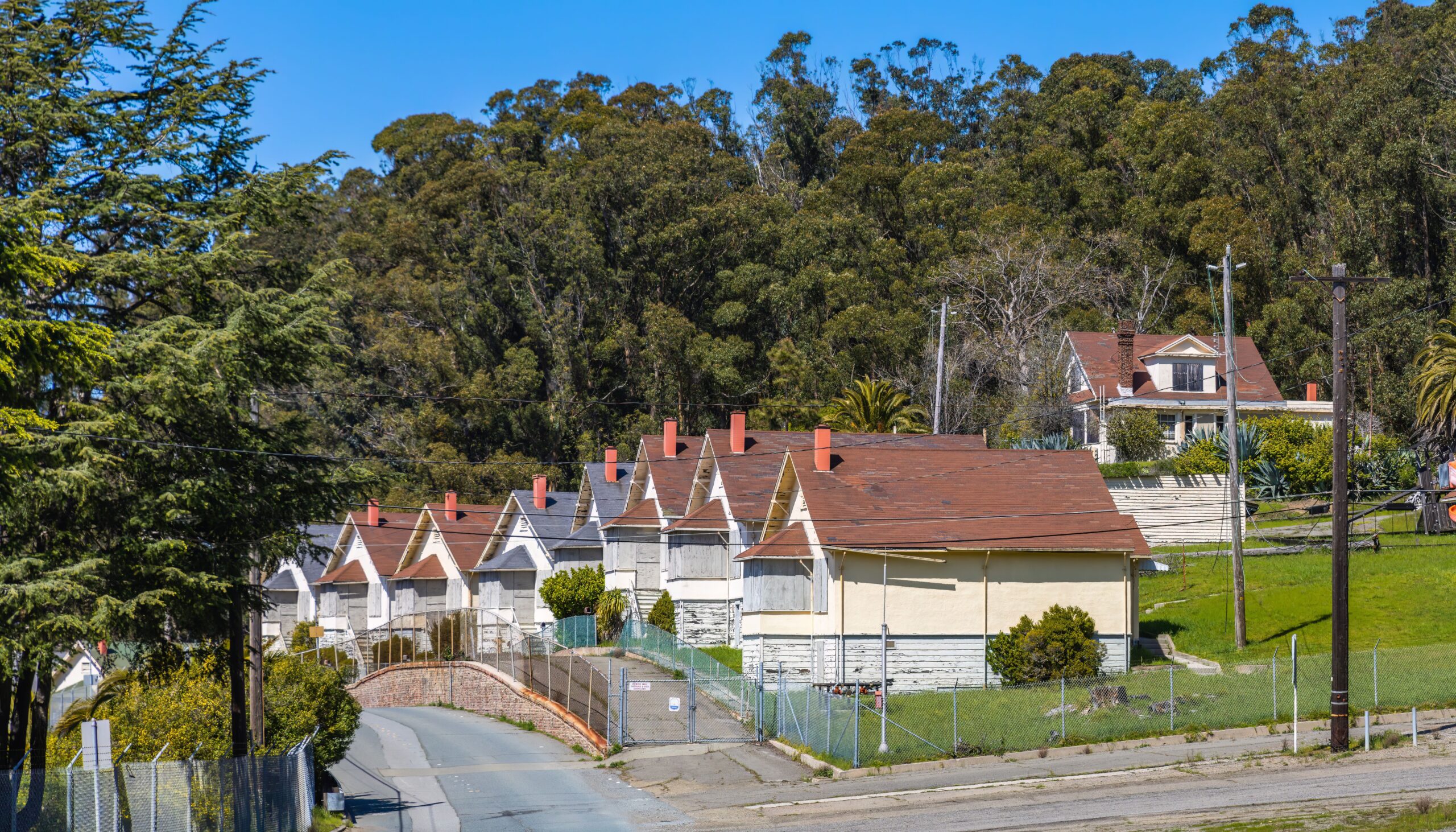
Over the past decade, California home building has remained stuck at the lowest levels since World War II. A January 2026 report commissioned by UC Berkeley’s Possibility Lab attributes much of that slowdown to rules that forbid or delay housing construction.
In Housing Abundance in California: A Starter Home for the 21st Century, UCLA professor Paavo Monkkonen examines why California home building is so anemic – and offers recommendations on how to unlock construction of starter homes, like apartments and ‘plexes, that are affordable to the typical California family.
Key Takeaways:
- Outdated Rules: Single-family zoning bans new housing on the majority of urban land, while outdated building codes limit construction of multifamily housing on small residential lots.
- Strings Attached: Senate Bill 9 (SB 9), which lets homeowners convert their one-home property to a duplex, has had limited effect. And while cities must now zone for more homes to align with state law, the process can take up to three years.
- Two-track Fix: Fixing rules one at a time is slow; the author recommends a model neighborhood planned around a target outcome.
As a position paper, it draws on published research, including a peer-reviewed study of new apartment buildings in low-income areas and the author’s own earlier work. It covers California policy since the 1970s and cites Tokyo, Auckland, and parts of Europe as examples.
The report has three key arguments.
Zoning and Building Codes Limit Urban Homebuilding. Legal barriers chiefly limit California’s housing supply. Single-family zoning keeps new housing off most urban land. Building codes add another barrier: the two-stairway mandate, which apply to buildings above three stories, leads to long hallways that rule out redevelopment of many urban lots. It is meant to help residents escape fires, yet the report cites research from Pew arguing there is “no evidence that it makes residents safer”. Moreover, Pew found small single-stairway buildings cost 6% to 13% less to build.
Strings and Delays Weaken Housing Reforms. For example, SB 9 had a “trivial impact on housing production,” the report says, partly because a lot split requires the owner to promise to live in one of the homes for three years, which limits who can use the law. Conditions also raise costs: reserving homes for lower-income households and paying prevailing wages (the government-set minimum pay for construction workers) make some projects insufficiently profitable to build, so fewer homes get built. Delay compounds the problem because even after a city’s housing plan promises more homes on a site, it must run a new public process of up to three years before it can rezone that site.
A Model Neighborhood Could Complement Step-by-Step Reform. Fixing rules one at a time is slow and keeps exposing new barriers, such as building codes. The report’s other path starts with a target neighborhood: medium-density, mixed-use, and a mix of owned and rented homes. A public agency could lead its development and settle details through public design competitions, as in European eco-districts. Once built, the neighborhood would give advocates a California model to point to instead of Europe or Asia. The report acknowledges a risk: 1940s-50s redevelopment targeted neighborhoods because of their residents’ race.
The report’s recommendations fall into three main groups. First, remove rules that block building: drop conditions that raise costs, or debate those costs openly, and revise exit-route (egress) rules such as the two-stairway mandate. Second, measure cities by results, such as a required number of permitted homes, because today a city can meet state law without allowing housing to be built. Third, pair those changes with public investment in transit, street quality, and a model neighborhood so dense living is pleasant. Nonetheless, more homes do not address all poverty, so rental vouchers remain extremely important.
Photo by Robert So via Pexels