Still Want Free Parking? That’ll Cost $73,000
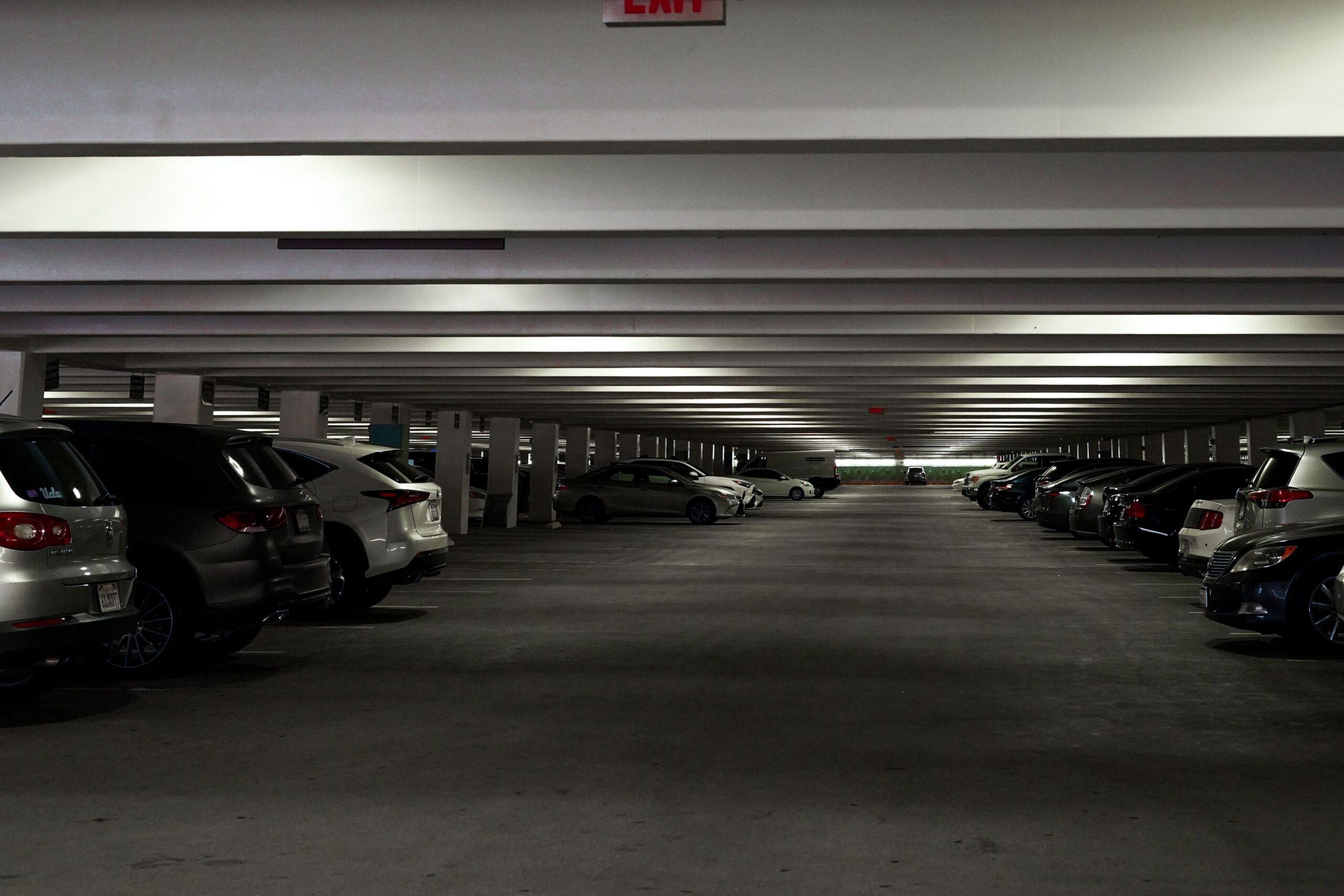
Housing costs have risen sharply across the U.S. in recent years, prompting cities to examine rules that drive up construction costs. One long-standing and costly rule: parking mandates.
A new UCLA analysis of 2025 data from 17 U.S. cities finds that the cost of these mandates has climbed significantly in recent years.
In No Such Thing as Free Parking: Construction Costs in 17 U.S. Cities, Ellen Schwartz of the UCLA Center for Parking Policy examined how parking mandates affect construction costs for offices, shopping centers, and apartments nationwide. The findings help explain why a growing number of cities are chipping away at these costly mandates.
Key Takeaways:
- Underground costs more: Underground parking now averages $73,000 per space and aboveground parking $52,000, up roughly 50 percent since 2012 after adjusting for inflation.
- Smaller homes hit hardest: Residential parking mandates raise studio and 1-bedroom apartment construction costs by over 30 percent, making lower-cost housing harder to build
- Parking eats budgets: Parking minimums increase office building construction costs by an average of 68 percent when built underground and 47 percent aboveground.
Schwartz started with 2025 construction cost data for 17 U.S. cities. From that, she calculated the cost to build a single parking space in each city. She then multiplied that per-space cost by each city’s parking minimum, the number of spaces a building must include based on its size or unit count. This showed what share of a building’s total construction cost comes from required parking. Finally, she compared current parking costs to 2012 figures, adjusted for inflation, to see how those costs have changed over time.
Building underground parking costs far more: Underground parking averages $73,000 in construction per space against $52,000 aboveground, a roughly 40 percent gap. Both types have outpaced inflation by about 50 percent since 2012. Rising labor and materials costs and new regulatory requirements, such as seismic standards and EV charging mandates, may be driving the rise.
LA’s parking rule taxes small apartments hardest: Los Angeles’s 1.5 parking space minimum for one-bedrooms adds about $97,000 to an apartment when built underground. That is a 31 percent increase to the cost of constructing the 1-bedroom itself at $309,000. The burden falls hardest on smaller homes because a parking space is a fixed 330 square feet, so it consumes a larger share of a small apartment’s budget than a large one’s. This dynamic discourages smaller, cheaper-to-build apartments that add the most affordable housing supply.
Parking mandates inflate business costs: In cities with straightforward rules, required parking makes up 39 percent of total construction costs for offices and shopping centers built underground. Miami is an extreme case: its high parking minimums combined with above-average construction costs mean underground parking more than doubles total office construction costs. To be clear, most developments would include some parking regardless, so these estimates represent the maximum potential cost that the requirement adds.
Cities should repeal or reduce off-street parking minimums. Even modest reductions near a city’s cap can meaningfully lower costs. That’s because the last few spaces required by these mandates often cost far more than the rest, sometimes forcing an entire extra level of underground construction. Per-unit residential ratios also need reform, since they disproportionately raise costs for smaller, more affordable apartments.
Eliminating arbitrary parking mandates allows cities to build more affordable homes and viable commercial centers. Reforming these outdated zoning rules serves as a vital step toward creating lower-cost, accessible communities.
Photo by Anastasiya Badun