How the Northwest’s Wildfire Crisis is a Sprawl Crisis
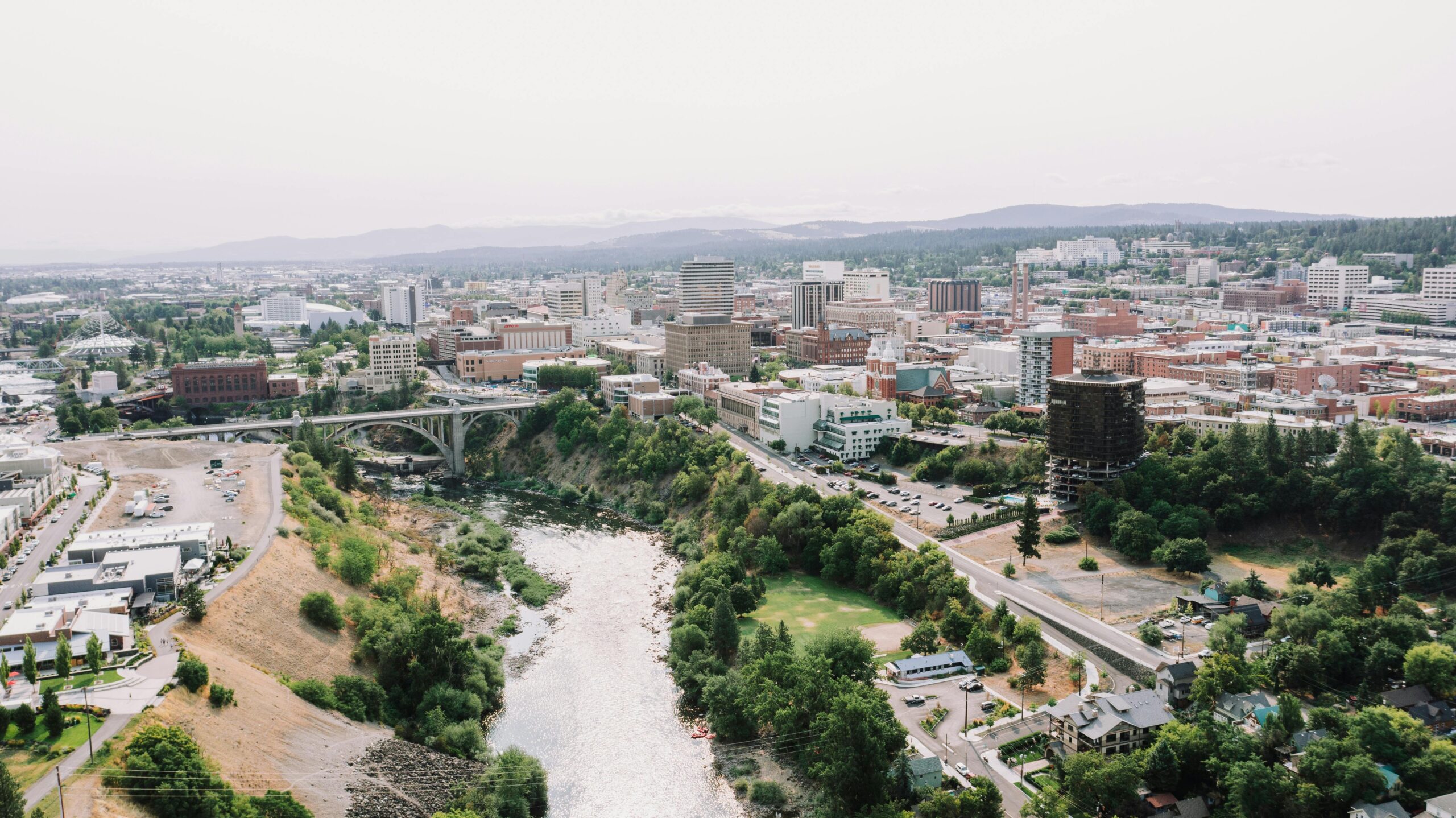
Wildfire hazard zones across the Pacific Northwest are expanding — and according to Sightline Institute, so is the public cost. Nearly 1.6 million residents lived in high-risk areas in 2023, up 8 percent since 2018, with population growing fastest in fire-prone places in nearly every Northwest state. That growth has consequences: the four-state region spent $620 million on suppression in 2024 alone, funded largely through statewide taxes paid by everyone.
In Fire Hazard: The Mounting Costs of Northwest Sprawl, Ricardo Pelai and Emily Moore of the Sightline Institute analyze how sprawl development in Washington, Oregon, Idaho, and Montana creates escalating economic and health burdens. The authors investigate the socioeconomic divide of fire risk and who bears the cost of fire-prone developments.
Key Takeaways:
- Affluent growth in fire country. Between 2013 and 2023, high-income communities in wildfire-prone areas grew more than twice as fast as lower-income ones nearby. Today, one in three fire-exposed northwesterners lives in a relatively well-off neighborhood.
- Vulnerable communities are stuck. About 40 percent of northwesterners in wildfire-prone areas live in lower-income communities, meaning fewer savings to fireproof homes, handle rising insurance costs, or rebuild somewhere safer after a fire
- Regionwide cost-shifting. Roughly 80 percent of northwesterners live outside high-hazard zones, yet statewide taxes fund suppression, insurance pools spread risk across all policyholders, and smoke makes the health costs borderless
The researchers cross-referenced 2025 Federal Emergency Management Agency (FEMA) National Risk Index wildfire hazard ratings with US Census Bureau American Community Survey data from 2013, 2018, and 2023 across census tracts in all four Northwest states. They layered in FEMA’s social vulnerability scores — composite measures of income, housing stability, and other socioeconomic factors that capture a community’s susceptibility to disaster. Tracking five-year population growth patterns at the census tract level lets them identify specific demographic shifts, which kinds of communities are growing fastest in dangerous areas, and the fiscal impacts on the broader regional population.
The findings tell a complicated story:
- Sprawl into fire country is accelerating, led by affluent communities chasing scenic views and outdoor amenities. Between 2013 and 2023, high-hazard, low-vulnerability tracts — places with relatively high incomes and housing stability — grew at more than twice the rate of high-hazard, socially vulnerable ones. One-third of all fire-exposed northwesterners now live in these relatively wealthy places. The outskirts of Bend, Oregon, offer an example: one high-hazard tract there has a median household income of $124,000 and a median home value of $742,000 — both 40 percent above Oregon’s statewide average. Its population has grown 25 percent since 2018, fueled in part by pandemic-era remote-work migration. Wealthier owners can better navigate rising insurance costs and rebuilding expenses in the short term, but these are also the priciest homes to replace when fire ultimately comes.
- Vulnerable communities bear disproportionate risk with the fewest resources. Roughly 40 percent of fire-exposed northwesterners live in socially vulnerable areas, communities like the Spokane Indian Reservation, where median income is $53,000 (44 percent below Washington’s median) and median home value is barely a quarter of the statewide figure. These households lack the financial cushion to harden homes, absorb insurance premium increases, or start over somewhere safer. Tribal communities face barriers beyond finances: dams destroyed traditional salmon livelihoods, and a history of forced displacement makes voluntary relocation culturally fraught even when safety demands it.
- The 80 percent of northwesterners who don’t live in fire country are subsidizing those who do. In Washington, 40 percent of all wildfires over the past 12 years ignited in just three counties — home to 8 percent of the state’s population — yet suppression is funded statewide. Insurance markets add on to those costs: when high-risk homeowners can’t find private coverage and turn to state FAIR plans (insurers of last resort), private insurers pass the shortfalls on to all policyholders, regardless of where they live.
The strongest near-term levers are transparency and accurate insurance pricing. Northwest states should require upfront wildfire hazard disclosures for renters and buyers. No Northwest state currently mandates this, and in late 2025, Zillow removed wildfire risk scores from listings. States should also allow insurers to use forward-looking catastrophe models when setting premiums, so high-risk homes bear their actual costs rather than offloading them onto low-risk policyholders. This can be paired with means-tested subsidies for low-income households that can’t absorb the resulting rate increases.
In the long term, the report recommends adopting wildland-urban interface building codes. California’s version reduces structure loss by 40 percent at just 2–3 percent added construction cost. States could also fund relocation assistance for low-income families displaced by fire, rather than rebuilding in the same hazard zone.
None of these reforms is likely to be politically easy. But getting disclosure and pricing right may be what creates the conditions for harder changes later. Redirecting growth toward safer, more affordable urban centers is ultimately what breaks the region’s costly reliance on sprawl.
Photo by K from Pexels